I Built a Football App for the Biggest Tournament of 2026. Here’s How.
I Built a Football App for the Biggest Tournament of 2026. Here’s How.
Six months ago I had a simple idea: what if watching football was more fun when you had something at stake?
Not money. Not gambling. Just predictions, points, and the satisfaction of turning to your friends and saying “I called that.”
That idea became Fanivo — a football prediction app I built solo, shipped to the App Store, and launched in time for the 2026 tournament kicking off June 11.
Here’s the story.
Why I Built It
I’ve watched football my whole life. And every tournament, the same ritual happens: friends make casual score predictions in a group chat, nobody keeps track, and the person who called the most results never gets the credit they deserve.
I wanted an app that fixed that. One place to predict every score, earn points, compete in a private league with friends, and actually prove who knows football best.
I looked at what existed. Most prediction apps were clunky, outdated, or buried in ads. None of them felt built for fans first.
So I built one.
What Fanivo Does
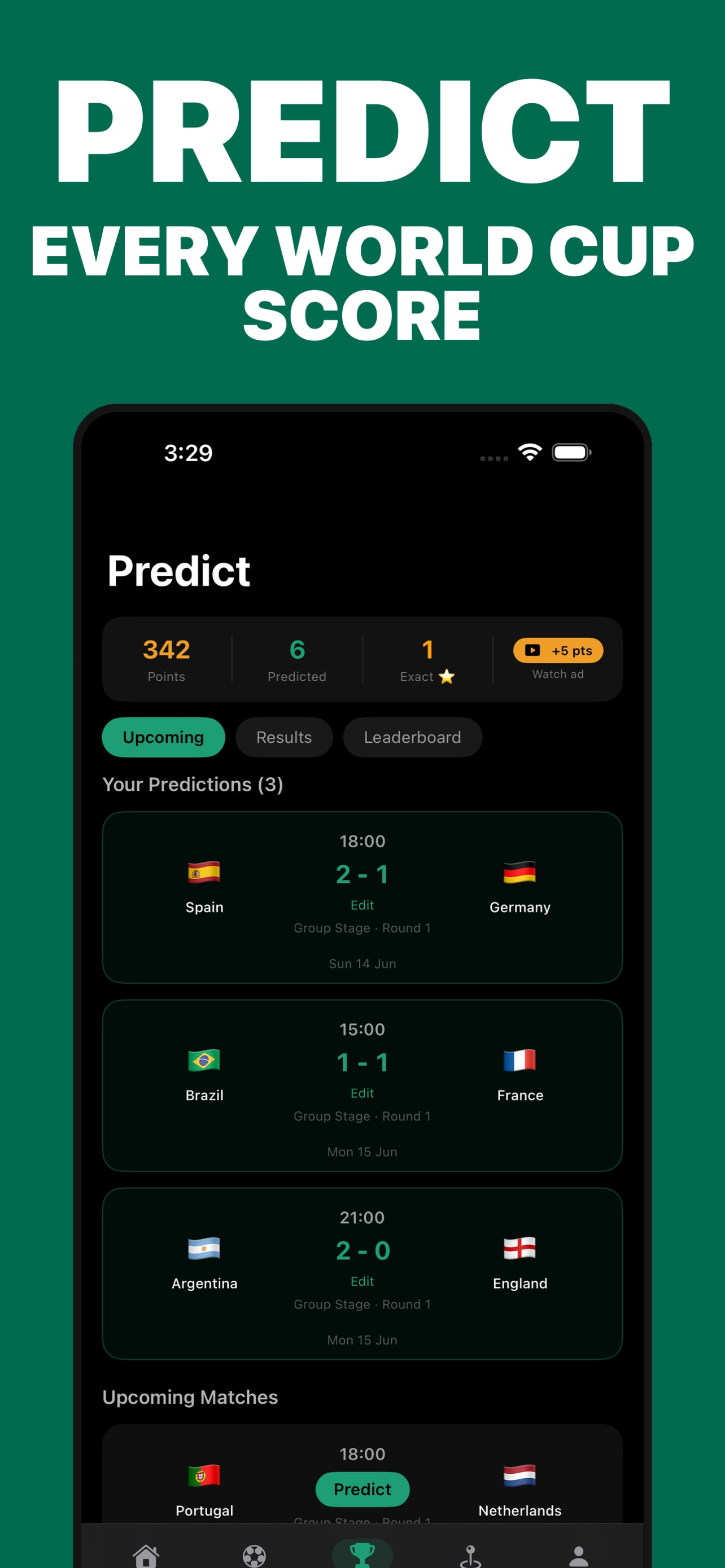
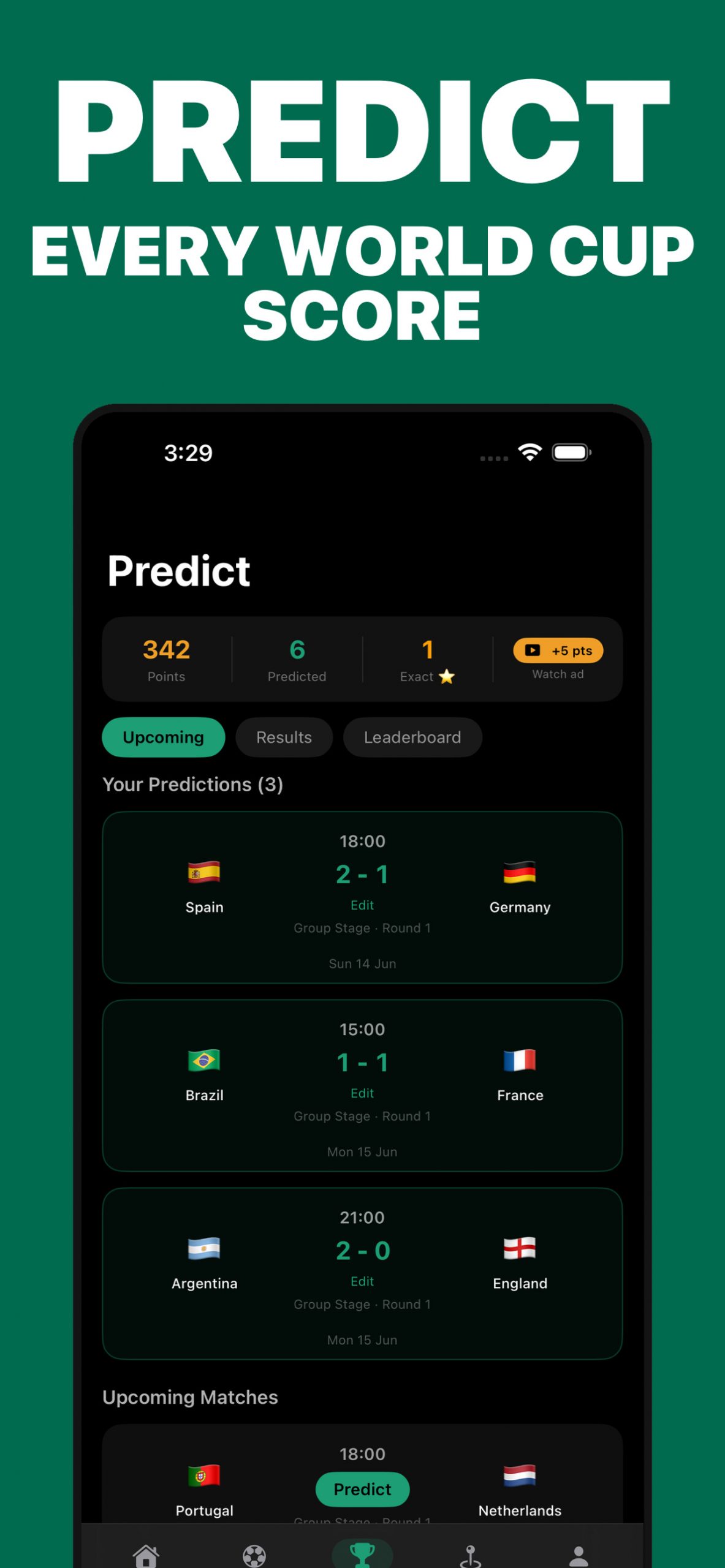
The core is simple: before every match, you predict the exact score. Correct winner earns you 3 points. Nail the exact score and you get 5. Add bonus predictions for half-time goals and match outcomes to push your total even higher.
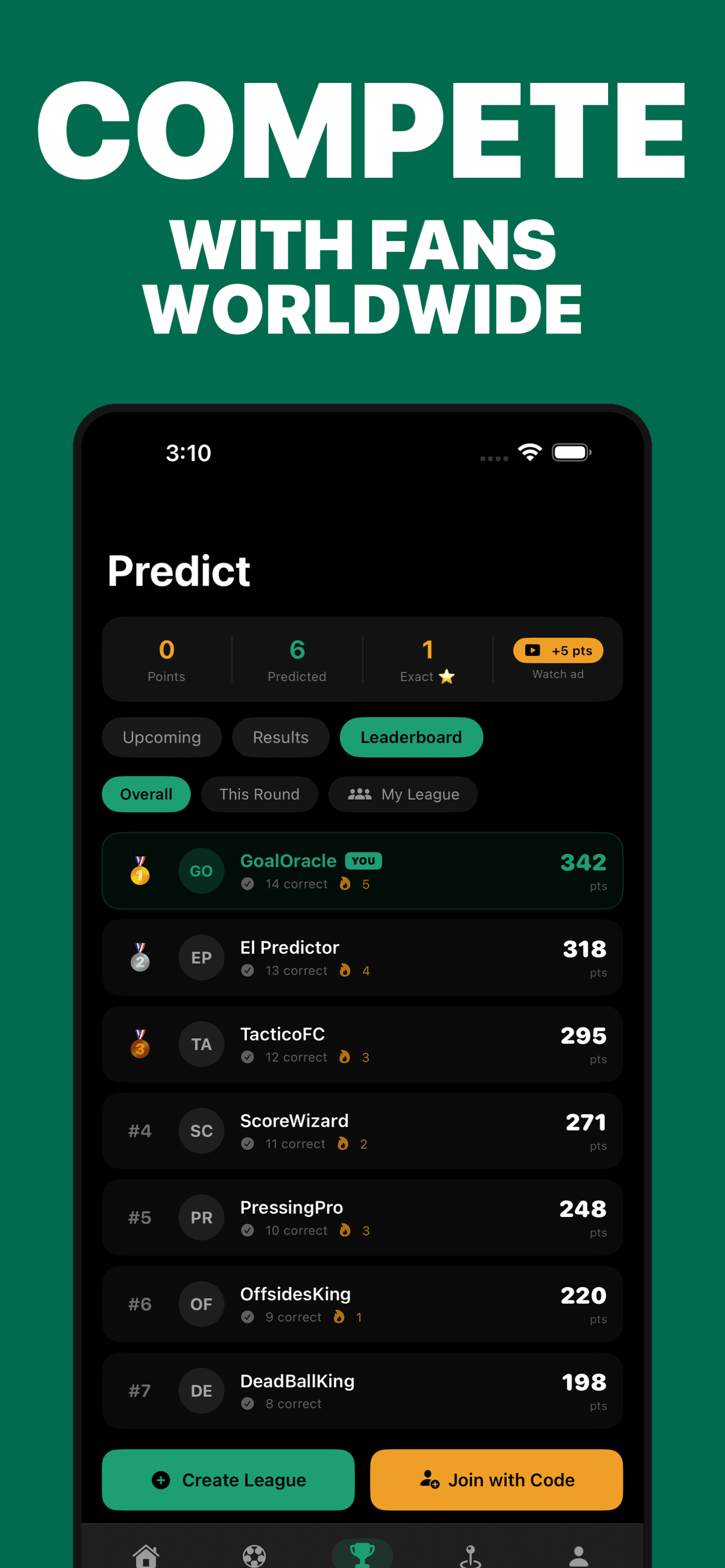
Every prediction contributes to your global leaderboard ranking. As matches settle in real time, your points update automatically. Watching your rank climb after a correct call is genuinely satisfying.
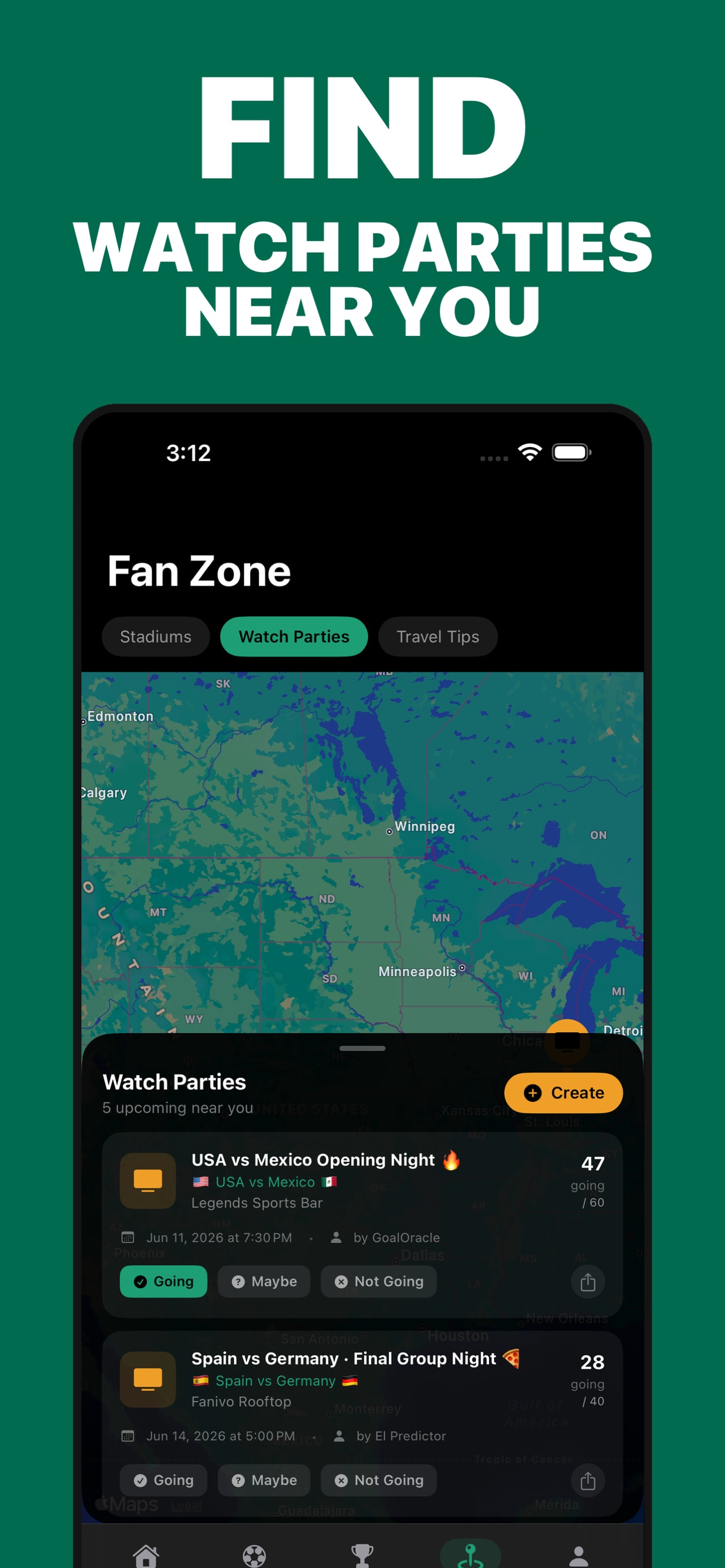
The Fan Zone is Fanivo’s biggest differentiator. Beyond scores and predictions, you can discover watch parties near tournament venues — with a map showing local events, attendance numbers, and RSVP options. No other prediction app combines the real-world fan experience with score prediction.
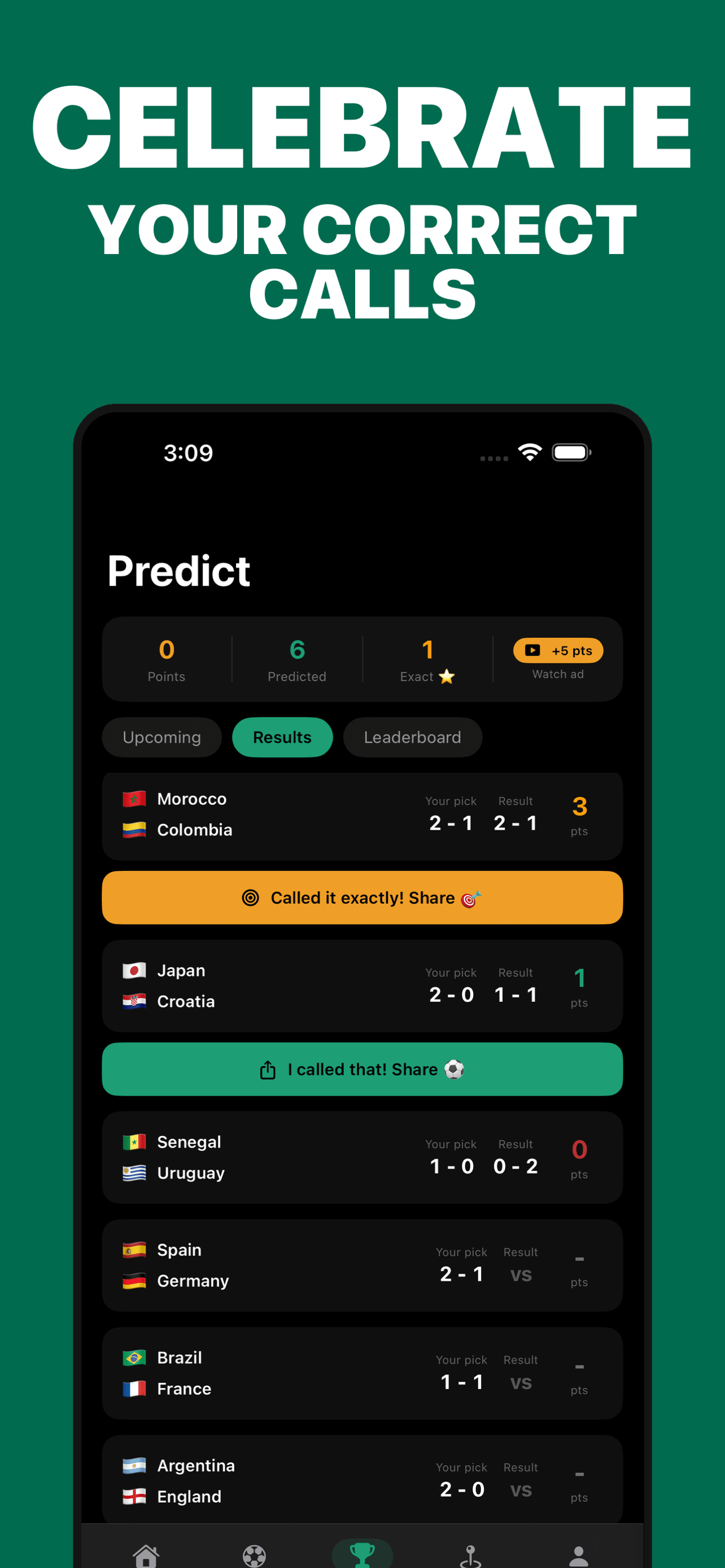
When results come in, you see exactly how your predictions landed — exact score, correct result, or wrong — with points earned displayed per match. The “Called it exactly! Share 🎯” moment is what the whole app is built for.
The Technical Side
For the developers reading this:
Fanivo is built entirely in SwiftUI with a Firebase backend — Firestore for real-time data, Firebase Auth for sign-in (Apple, Google, guest mode), and Cloud Messaging for push notifications.
I built Cloud Functions in Node.js that poll the football API every minute during live matches, detect goals and full-time results, send FCM push notifications to subscribers, and automatically settle predictions with points calculation — all without any manual intervention.
Monetisation runs on StoreKit 2 with two products: a $14.99 Tournament Pass (valid June 11 to July 19) and a $49.99 Annual Premium plan.
The whole thing — design, development, backend, App Store submission, ASO — was built by one person.
What I Learned
Shipping is harder than building. The code was the easy part. App Store review, push notification certificates, StoreKit sandbox testing, screenshot dimensions, ASO keywords — the path from “working app” to “live on the App Store” took longer than I expected.
Demo mode saved my screenshots. I built a full demo data system so the app shows live-looking data in the iOS Simulator — real match cards, populated leaderboards, settled predictions. Without it, every App Store screenshot would have shown empty states.
Timing is everything. Building an app for a specific tournament means you have a hard deadline. June 11. That pressure is uncomfortable and clarifying at the same time.
Download Fanivo
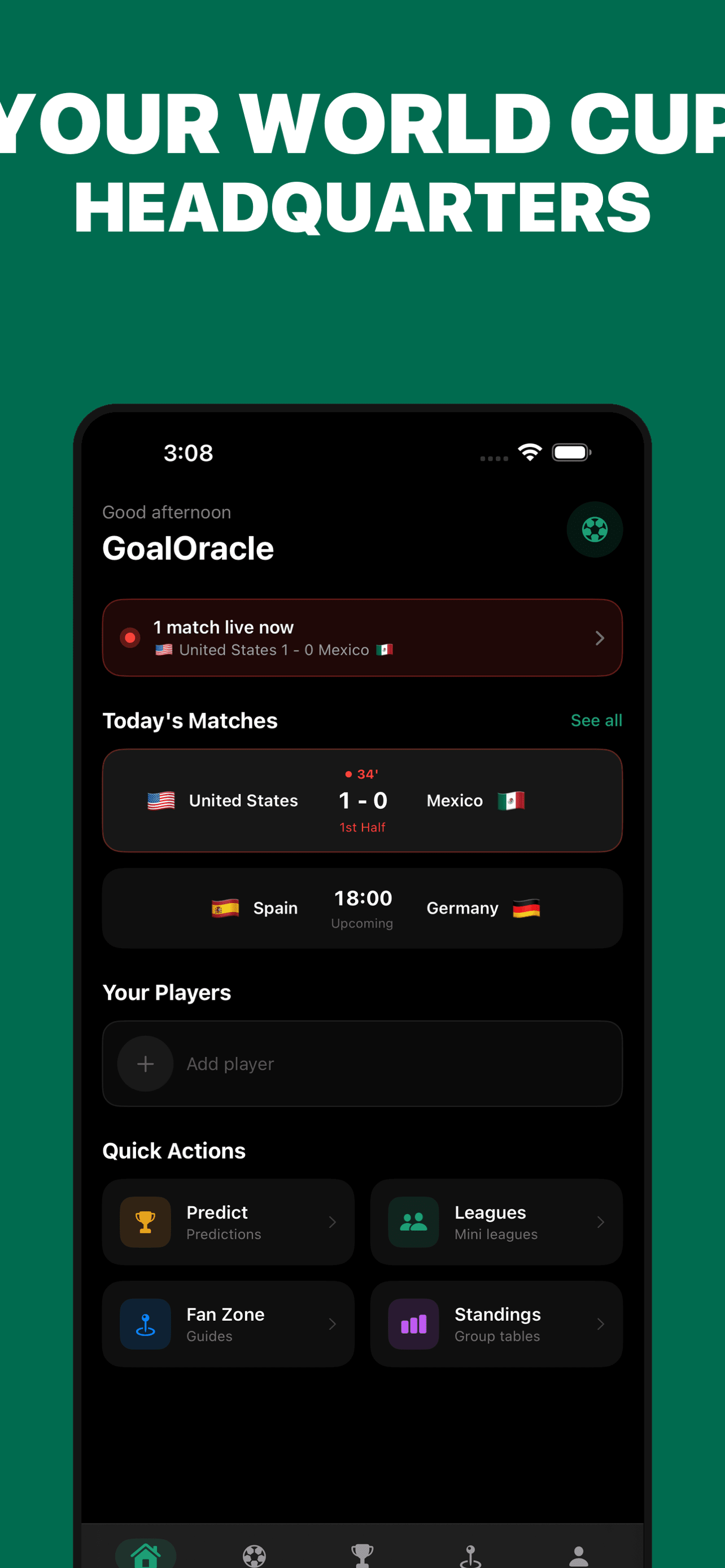
Fanivo is free to download on the App Store. You can predict scores and compete in friend leagues without a subscription. Premium unlocks exact score bonuses, unlimited leagues, and live match alerts.
The tournament starts June 11. 48 teams. 64 matches. One champion.
App Store: https://apps.apple.com/app/fanivo/id6763928529
If you’re a football fan, download it and make your first prediction. If you’re a developer, I hope this story was useful.
Either way — see you on the leaderboard.
Fanivo is available on iPhone worldwide. Built with SwiftUI, Firebase, and a lot of coffee.